
Related News
- 00
0000-00
Hormuz LNG Transits Fall Sharply as Gulf Disruption Redirects Trade - 00
0000-00
Supply Chain Disruption: How to Assess Supplier Price Increase Requests - 00
0000-00
World’s First Commercial Ship-to-Ship Green Ammonia Bunkering Completed in China - 00
0000-00
Selecting High-Voltage Marine Equipment: Ratings, Insulation, and Fault Duty - 00
0000-00
Green Energy Sea Delivered as China’s Largest LNG Carrier Project Reaches Eight Ships
Tags

LNG vessel traffic through the Strait of Hormuz fell sharply in the week around mid-October 2026, as disruption to Gulf exports forced cargoes to be redirected. Splash 24/7 described the upheaval as one of the largest disruptions to global LNG trade in years, with exports from the Gulf region nearly paralysed.
Vortexa data showed just five confirmed LNG carrier transits through the strait during the week, compared with a four-week average of 12. Only two of those five vessels were laden. That distinction matters: the total number of ships passing through the strait does not directly indicate how much LNG is moving to buyers.
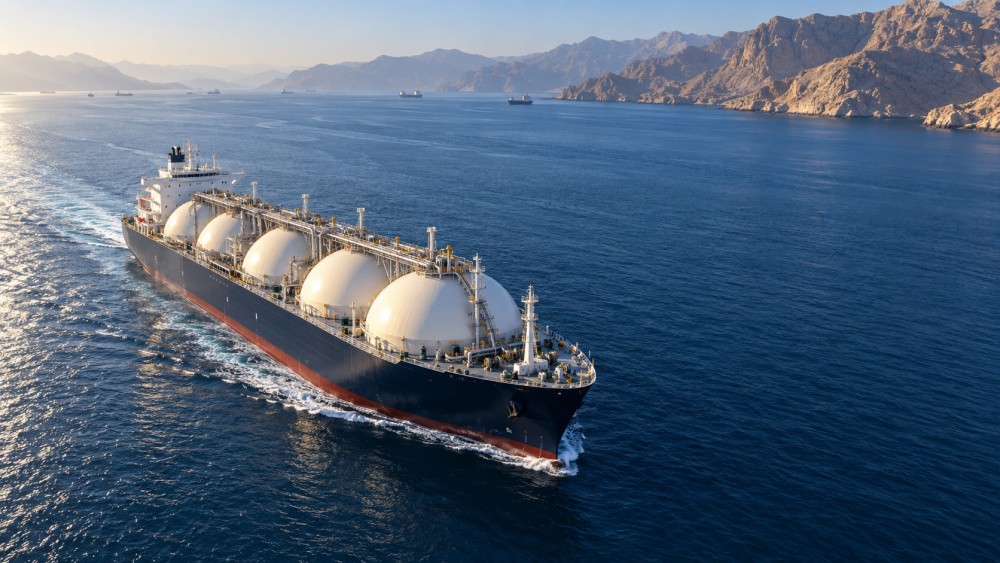
Loaded departures matter more than vessel counts alone
The figures point to a disruption in the movement of export cargoes, but they do not establish the precise volume of supply affected. Tracking laden vessels alongside overall transits would give a clearer indication of whether cargo flows are recovering. A rebound in ship movements alone would offer limited reassurance if loaded departures remained subdued.
For buyers and shipping operators, the immediate pressure could emerge in delivery scheduling and cargo allocation. If Gulf exports remain constrained, redirecting available cargoes may help meet some commitments, while creating a need to reassess vessel availability and arrival windows. The extent of those adjustments will depend on how long the disruption lasts and how much alternative supply can be secured.
A route disruption with broader supply implications
The report also points to developments such as QatarEnergy’s Golden Pass expansion in Texas as part of a broader adjustment in LNG supply chains. Such projects bring the geographic distribution of supply into focus. They do not, by themselves, establish that replacement cargoes are available to cover the current interruption.
The present evidence supports a clear near-term conclusion: restricted movement through Hormuz is disrupting LNG cargo flows and prompting changes in where shipments are directed. Whether those changes become a lasting shift in trade patterns will depend on the recovery of Gulf exports, the availability of supply elsewhere and the progress of projects intended to expand export capacity. Sustained changes in laden transits and cargo destinations will be more telling than a single week’s vessel count.