
Related News
- 00
0000-00
LNG Carrier Price Trends: What Shipbuyers Should Budget for Newbuilds - 00
0000-00
How to Evaluate Marine Semiconductor Suppliers for Shipboard Reliability - 00
0000-00
How Dual-Fuel Ships Cut Emissions Across Different Fuel and Operating Profiles - 00
0000-00
How to Select Low-Voltage Marine Drives for Electric Propulsion Below 1 kV - 00
0000-00
How to Evaluate Exhaust Gas Treatment System Suppliers for IMO Compliance Projects

As global fleets modernize and decarbonization rules tighten, high-end shipbuilding is emerging as a resilient growth engine rather than a short-lived cycle. For distributors, agents, and channel partners, understanding demand across LNG carriers, luxury cruise systems, advanced engineering vessels, and electric propulsion is key to capturing long-term value in a market shaped by technology barriers, compliance pressure, and strategic supply chain shifts.
Why high-end shipbuilding demand looks structural, not merely cyclical
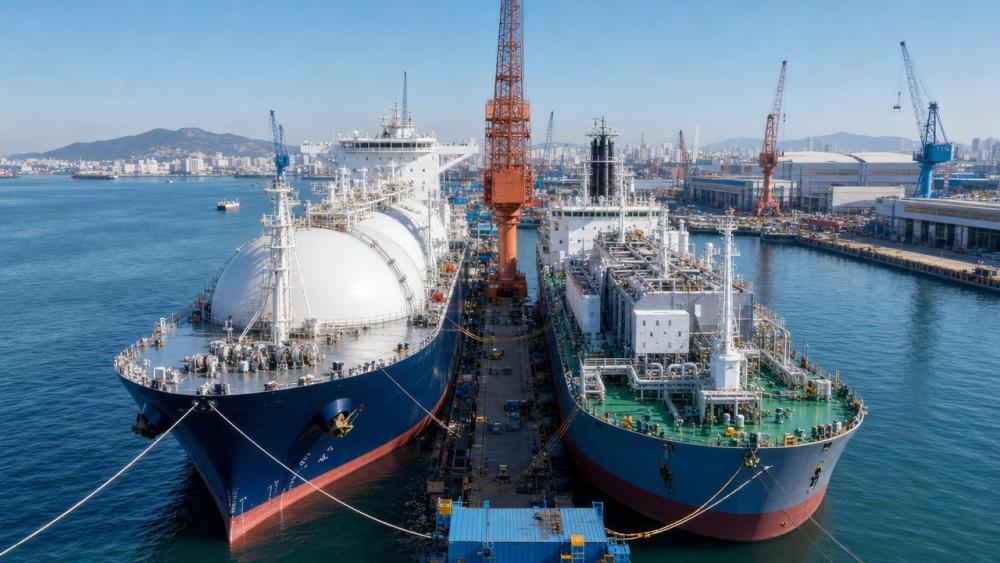
The current upcycle in high-end shipbuilding is not driven by a single freight boom or a temporary replacement wave. It is increasingly supported by three durable forces: energy transition, stricter environmental regulation, and vessel specialization. These forces create demand for more complex ships, more advanced onboard systems, and more technically capable supply partners.
For distributors and agents, this matters because high-end shipbuilding is less about selling standard marine parts and more about supporting long project timelines, specification-driven procurement, and compliance-heavy decision making. In this environment, buyers want partners who understand cryogenic systems, marine electrification, safety redundancy, emissions control, and integration risk across the vessel lifecycle.
MO-Core follows this shift closely through its focus on mega engineering vessels, luxury cruise systems, LNG carrier technologies, marine electric propulsion, and green scrubber/SCR solutions. That combination is important because high-end shipbuilding demand rarely moves in isolation. Steel prices, fuel strategy, IMO compliance, shipyard capacity, and subsystem compatibility all interact.
- LNG and dual-fuel expansion increase demand for cryogenic handling, containment, valves, insulation, and monitoring systems.
- Cruise and passenger vessel renewal raises requirements for fire safety, lightweight interiors, electrical integration, and hotel load efficiency.
- Offshore engineering vessels require advanced DP capability, mission equipment, and robust power management for harsh operating conditions.
- Emissions compliance pushes scrubber, SCR, fuel optimization, and electrified propulsion decisions earlier into procurement planning.
Where is demand strongest across high-end shipbuilding segments?
Not every vessel class offers the same sales potential or technical margin. The table below helps channel partners compare major high-end shipbuilding segments by demand logic, procurement complexity, and distribution opportunity.
The key takeaway is that high-end shipbuilding demand is broadening across multiple premium categories. That reduces reliance on one vessel type and gives agents a more diversified route to growth. The best opportunities usually sit where technical complexity and compliance needs make low-value competition less effective.
Why LNG carriers remain a strategic anchor
Among all segments, LNG carriers often represent the clearest signal of durable high-end shipbuilding demand. They require highly specialized engineering, strict temperature control around minus 163 degrees Celsius, advanced cargo handling, and dependable safety systems. Procurement mistakes are expensive, so shipyards and owners tend to favor suppliers with proven technical understanding and documentation discipline.
Why electrification is expanding channel potential
Marine electric propulsion is moving from niche to mainstream in selected premium vessels. The value is no longer only in hardware. It is also in software logic, system integration, harmonics control, thermal management, and efficiency under variable load. That creates a larger role for intelligence-led distributors who can help match specifications to operating profiles.
What procurement teams in high-end shipbuilding actually care about
A common mistake in marine sales is assuming that buyers choose on unit price alone. In high-end shipbuilding, procurement teams evaluate lifecycle risk, certification readiness, yard schedule fit, technical interface clarity, and serviceability just as heavily. For distributors, that means commercial success depends on reducing uncertainty, not just offering inventory.
The following table summarizes the decision criteria that most often influence premium marine procurement and explains how channel partners can respond.
This is where MO-Core’s intelligence model becomes commercially useful. Instead of treating marine procurement as a simple catalog transaction, it connects raw material movement, vessel design trends, fuel pathway logic, and emissions compliance into a clearer decision context. That helps agents speak the language of shipyards, owners, and technical buyers more effectively.
A practical checklist for distributors and agents
- Confirm the vessel class and mission profile before discussing equipment options. Offshore, cruise, and LNG applications differ sharply.
- Map all relevant interfaces early, including electrical load, control system communication, materials, and installation constraints.
- Ask whether the owner is optimizing for CAPEX, fuel savings, compliance timing, or resale flexibility. Different priorities change the specification.
- Review likely class and flag documentation needs before quotation finalization.
- Build a spare parts and aftersales plan into the proposal, especially for long-cycle high-end shipbuilding projects.
How to compare high-end shipbuilding solutions without oversimplifying price
In premium marine programs, the cheapest bid can become the most expensive choice if it creates integration failures, rework, documentation gaps, or weak service coverage. A better comparison framework looks at total project impact. This is especially true for LNG carrier components, podded propulsion, exhaust aftertreatment, and cruise electrical systems.
Price-only sourcing vs value-led sourcing
Price-only sourcing may appear attractive when budgets are tight, but it often ignores commissioning complexity, long delivery windows, and operator performance expectations. Value-led sourcing weighs the whole chain: design approval, installation fit, energy use, maintenance burden, and long-term availability of technical support.
- For cryogenic applications, material performance and thermal stability matter more than headline discounting.
- For electric propulsion, harmonics, redundancy, and control integration can decide whether efficiency targets are actually achieved.
- For scrubber and SCR packages, compliance fit and maintenance access often outweigh initial equipment price.
When alternatives make sense
Alternatives should be considered when the original specification exceeds the vessel’s mission need, the yard schedule cannot support long-lead components, or the owner prefers retrofit flexibility over peak technical performance. However, alternatives should never compromise critical safety or class-related functions. In high-end shipbuilding, substitution requires engineering logic, not simple commercial replacement.
Compliance, decarbonization, and technology barriers are reshaping channel strategy
Another reason the upcycle may last is that regulation continues to raise the technical floor. Owners and yards must navigate IMO emissions rules, fuel transition uncertainty, and tighter efficiency expectations. This pushes procurement toward vendors and channel partners who can support compliance interpretation, documentation flow, and technology selection under changing standards.
MO-Core’s advantage is its ability to stitch together engineering, emissions, and commercial insight. That matters because many marine sales failures happen between disciplines. A technically sound product may still lose if it arrives with weak compliance mapping, poor understanding of vessel architecture, or no view of where the market is moving next.
Key compliance themes channel partners should track
- Emissions reduction pathways, including scrubber, SCR, dual-fuel, and efficiency optimization decisions.
- Class approval timing for integrated systems, especially where software and electrical architecture are involved.
- Material and fire safety requirements in passenger-oriented and luxury cruise environments.
- Lifecycle monitoring expectations as operators seek measurable fuel and maintenance performance.
FAQ: what distributors ask about high-end shipbuilding demand
Is high-end shipbuilding still attractive if freight markets soften?
Yes, often more than standard tonnage. High-end shipbuilding is tied not only to freight rates but also to fleet renewal, energy infrastructure, passenger safety expectations, and emissions compliance. Those drivers can continue even during uneven shipping cycles. Demand may shift by segment, but the need for specialized, compliant, technically integrated vessels tends to persist.
Which segment is easiest for a new agent to enter?
Electric propulsion support systems and selected emissions-control components can be more accessible than core LNG containment or highly customized offshore mission equipment. Entry depends on your technical team, documentation capabilities, and ability to support integration conversations. A focused niche with strong aftersales support is often better than a broad but shallow portfolio.
What are the most common mistakes in high-end shipbuilding sales?
Three mistakes appear repeatedly: quoting before clarifying the operating profile, underestimating documentation and class approval requirements, and competing on price while ignoring lifecycle cost. Another frequent error is treating shipyards and owners as if they value the same things at the same stage. In reality, yard schedule, owner strategy, and operator maintenance priorities may differ.
How long are decision cycles in this market?
Decision cycles are usually longer than in standard marine equipment sales because high-end shipbuilding projects involve design review, approval routing, interface coordination, and delivery scheduling. The exact timing varies by vessel type and subsystem. Channel partners should plan for staged engagement rather than expecting a quick close after first quotation.
What the next phase of high-end shipbuilding demand may look like
The next phase is likely to reward specialization, not generic scale. LNG transport chain resilience, dual-fuel logic, AI-assisted fuel optimization, advanced electrical architecture, and green exhaust treatment will continue to shape investment. Meanwhile, shipowners will seek solutions that protect both compliance and asset value under uncertain fuel pathways.
For distributors and agents, the winning model is increasingly intelligence-led. That means using market timing, vessel segmentation, technical detail, and regulatory awareness together. It also means identifying where your offering fits best: newbuild support, retrofit pathways, specialist consumables, subsystem integration, or long-cycle spare parts programs.
Why work with MO-Core when evaluating high-end shipbuilding opportunities
MO-Core is positioned for companies that need more than headlines. Its coverage connects deep-blue manufacturing with maritime decarbonization and turns that connection into practical commercial intelligence. For channel partners, that means better visibility into LNG carrier demand logic, luxury cruise system requirements, electric propulsion trends, engineering vessel upgrades, and the compliance implications behind each shift.
If you are assessing high-end shipbuilding opportunities, you can consult MO-Core on specific decision points such as parameter confirmation for cryogenic or electrical systems, product selection by vessel scenario, expected delivery cycle risks, customization direction, documentation and certification planning, spare strategy, and quotation alignment with long project lead times.
For distributors, agents, and commercial teams preparing to enter or expand in high-end shipbuilding, the most valuable next step is a focused discussion around your target segment, current portfolio, and customer type. That conversation can clarify which vessel classes to prioritize, which technical barriers to prepare for, and where your offering can build lasting margin instead of short-term volume.