
Related News
- 00
0000-00
Choosing a Cryogenic Flow Expert for Storage Tank Projects: What to Check - 00
0000-00
Alfa Laval to Acquire Norwegian Maritime Software Company NAVTOR for $700 Million - 00
0000-00
What Is Offshore Infrastructure? Key Types and Their Uses at Sea - 00
0000-00
Wärtsilä Wins Engine and Propulsion Order for First US FLNG Project - 00
0000-00
Class-Approved Marine Sensors: How to Verify Type Approval Certificates
Tags

Japanese shipping company Mitsui O.S.K. Lines (MOL) held a joint naming ceremony for the world's first three ammonia-fueled Capesize bulk carriers in late October 2026; the exact date was not specified. The event signals progress in applying ammonia fuel to large oceangoing bulk carriers and may have implications for vessel operators, equipment suppliers and fuel supply chains. No specific change to a policy, regulation or standard was identified in the supplied information.
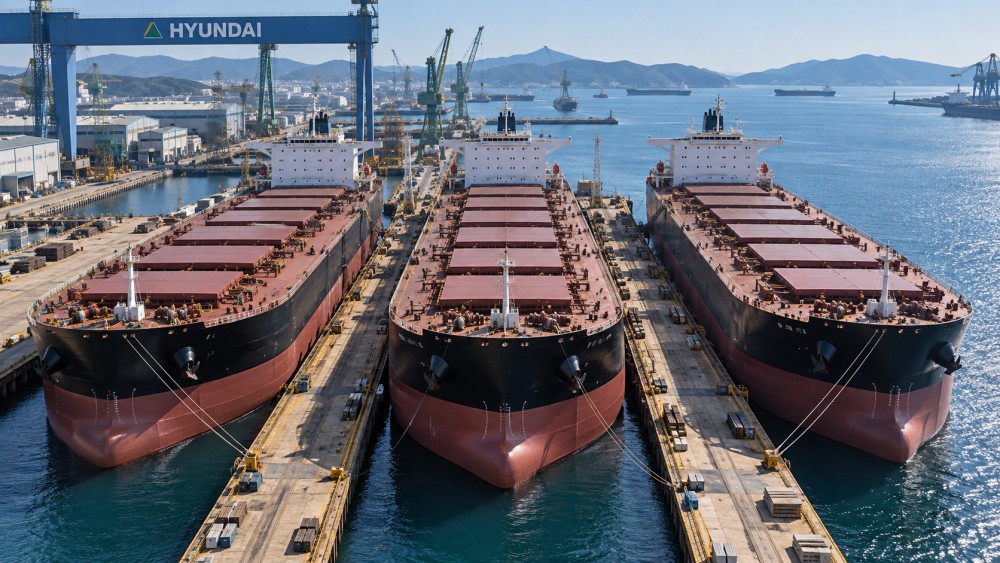
Three Capesize Vessels Named Together
MOL held a joint naming ceremony for three ammonia-fueled Capesize bulk carriers. The supplied information identifies them as the world's first three vessels of this type and describes their naming as a substantive step in the commercial application of ammonia fuel to large oceangoing bulk carriers.
The event also reflects progress in shipping decarbonization technology and the development of a zero-carbon fuel supply chain.
Where Ammonia Fuel May Affect Commercial Decisions
Vessel Procurement and Operation
From an industry perspective, operators and vessel buyers may need to assess how ammonia-fuel capability affects technical specifications, procurement and delivery planning. They may also need to check which safety, documentation and certification requirements apply to a particular vessel and its intended operation. The supplied information does not establish any new requirement or approval.
Equipment and Fuel Supply
Analysis suggests that equipment suppliers and fuel supply chain participants may face closer scrutiny of compatibility, documentation and delivery arrangements as projects move toward commercial use. Buyers could examine how proposed equipment and fuel supply arrangements fit vessel specifications and applicable requirements. The naming ceremony alone does not confirm the availability or terms of any supply arrangement.
Shipping Customers and Service Providers
For customers considering bulk shipping services, the development may prompt questions about fuel-related operating arrangements and the evidence available to support environmental claims. Service providers may also need to understand vessel-specific documentation and support needs. These are potential areas for review, not confirmed changes to existing contracts or trade rules.
Checks for Future Vessel and Fuel Projects
Verify Applicable Requirements
Companies evaluating similar projects could review the regulations, standards and certification procedures applicable to their intended vessels and operations. Because no specific rule or certification is identified in the input, any requirements should be verified against authoritative sources before procurement or delivery decisions are made.
Align Technical Documents
Prospective buyers and suppliers may wish to check whether vessel specifications, equipment documents and procurement terms address ammonia-fuel compatibility and the information needed for assessment. The appropriate documents and review process will depend on the project.
Assess Supply and Delivery Arrangements
Project participants could examine proposed fuel availability, supplier qualifications and delivery schedules alongside vessel plans. Such checks are precautionary: the supplied information does not describe the fuel contracts, delivery terms or operating arrangements for the named vessels.
A Commercial Signal, Not a Confirmed Rule Change
At this stage, it is more appropriate to treat the naming as a signal of commercial progress than as evidence that a new regulatory or certification regime has taken effect. Analysis of its wider significance will depend on further verified information about applicable requirements, project execution, fuel supply arrangements and industry feedback.
What the Naming Means for the Sector
The three vessels provide an industry-level example of ammonia fuel moving into the large oceangoing bulk carrier segment. For businesses, the practical response is to monitor verified developments and assess project-specific requirements, while avoiding assumptions that the ceremony itself establishes new rules or guarantees wider adoption.
Basis for This Report and Further Verification
This article is based on the user-provided news title, event timing and summary. No specific official source link was provided in the input, and the details require continued verification. Relevant sources to consult may include official announcements, regulatory publications, standards documents and authoritative industry reporting. Further observation is needed on policy details, certification practice, procurement documents, trade execution and industry feedback.